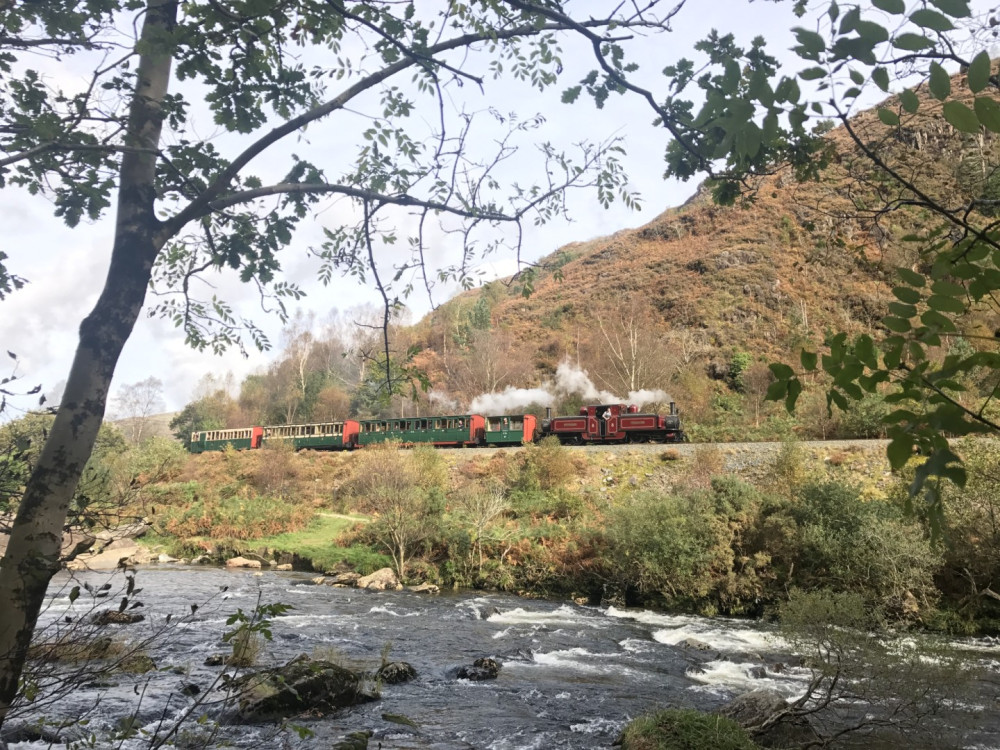
Meeting with key Senedd members in Cardiff discusses the future of Welsh steam.
The Heritage Railway Association has met with members of the Welsh government as it continues to make the case for a long-term, viable fuel for steam locomotives. The meeting, organised by Senedd Member for Dwyfor Meirionnydd Mabon ap Gwynfor and the HRA, brought together key players from a number of Welsh steam railways.
Chief Executive of the Heritage Railway Association, Steve Oates, said: “Finding the solution to the current coal situation is not going to be quick, but this meeting has been a huge step forwards. I’ve got to thank Mabon and all the other Senedd Members who attended for hearing our case.
“For the heritage railways we all care about to continue, we need to secure a long-term, viable fuel source for steam locomotives. We need governments to look again at the controlled extraction of high-quality UK steam coal specifically for responsible, low-volume users like heritage rail as the most sustainable and environmentally conscious solution available right now.”
The meeting was just the first, in what the HRA expect to be a series of meetings, with governments across the UK. The Bala Lake, Ffestiniog & Welsh Highland, Gwili, Llangollen, Talyllyn, Vale of Rheidol, and Welshpool & Llanfair railways were all represented at the meeting in Cardiff on May 17.
The railways came armed with a raft of statistics and information that demonstrated just how vital heritage railways are to the cultural heritage and visitor economy of Wales. It is estimated that the 19 heritage railways in Wales generate £52m for the Welsh economy each year and attract more than 1.2m visitors. The lines also directly employ more than 500 people, supported by 3,500 volunteers.
Senedd Members were also reminded of the vital role that heritage rail plays in Welsh UNESCO World Heritage Sites, particularly the Slate Landscape of Northwest Wales. The role of heritage railways in Welsh statute such as the Wellbeing of Future Generations Act and the sectors’ ability to meet key tourism priorities were highlighted too.
The unplanned end of Welsh steam coal production in early 2022 combined with the disruption to transport routes for Eastern European coal caused by the war in Ukraine has created a critical situation for heritage rail. The HRA and others are still working on alternative fuels, but the development required for widescale adoption could take years.
“Ever since the Talyllyn was preserved in 1951, Wales has been at the forefront of heritage rail.” Added Steve Oates. “I think it’s clear that Senedd Members understand and value the contribution of heritage railways to the culture and economy of Wales. I really hope that this will be a significant step in fruitful discussions about how we can secure the long-term future of fuel for steam locomotives, not just in Wales but for the whole of the UK.”
Back